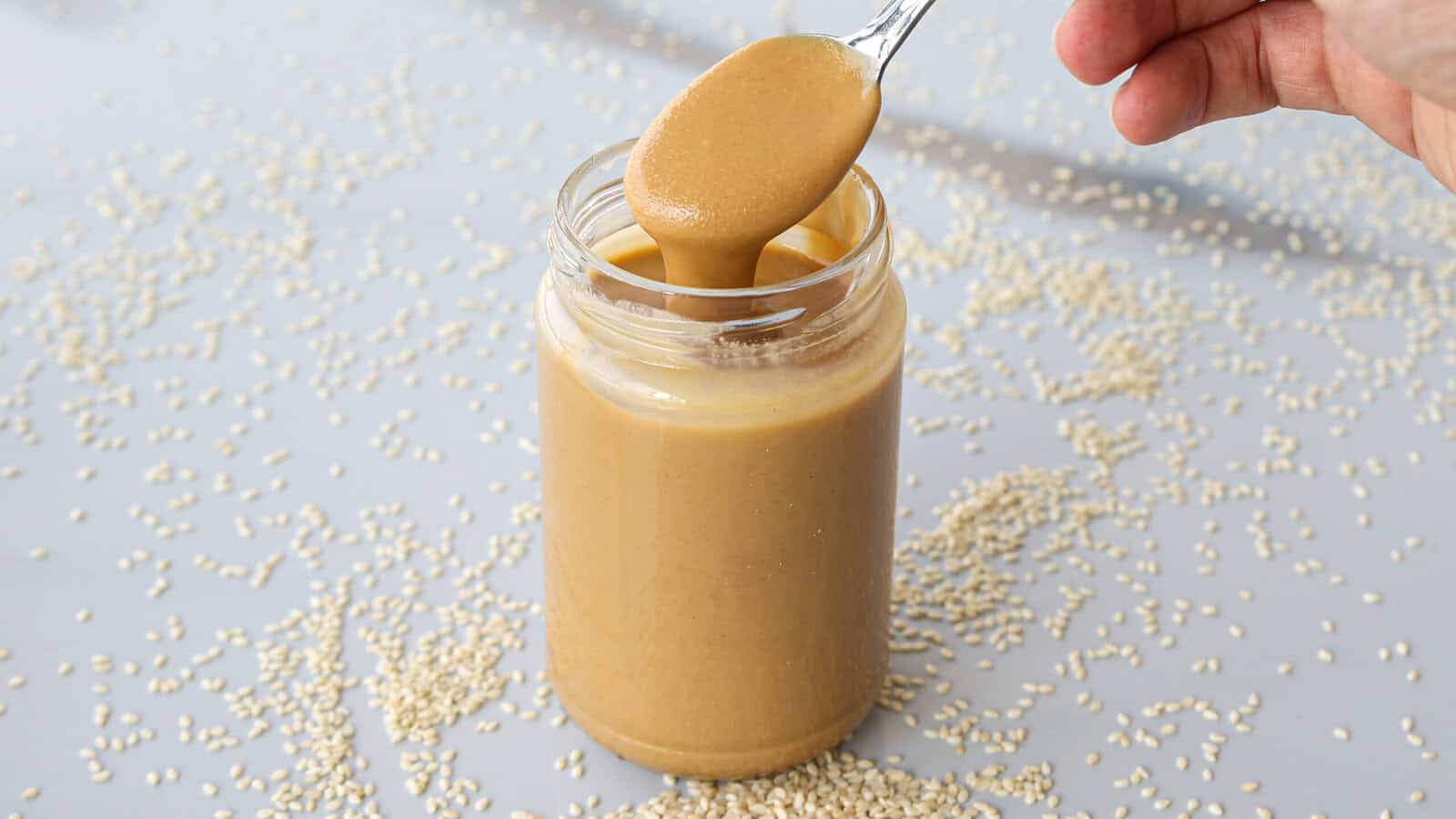
Master Homemade Tahini: Easy Recipe for Creamy Sesame Paste
Imagine a versatile, rich, and utterly delicious condiment that can elevate countless dishes, from savory classics to unexpected sweet treats. That's the magic of tahini! Often a staple in Middle Eastern kitchens, this incredibly creamy sesame paste is a true culinary hero. While store-bought options are readily available, there's an unparalleled satisfaction and superior flavor that comes from making your own
homemade tahini sesame paste. Not only is it surprisingly simple to prepare, requiring just one core ingredient and a few minutes, but it also offers a level of freshness and customization that packaged versions can't match.
For those who grew up with tahini as a kitchen essential, its ubiquitous nature is akin to peanut butter in Western households. It's a foundational ingredient in classics like hummus and baba ganoush, yet equally at home in salad dressings, marinades, cookies, and even coffee. Learning how to craft this velvety seed paste from scratch is a game-changer for any cooking enthusiast, promising to unlock new dimensions of flavor and texture in your culinary adventures.
Why Master Homemade Tahini? Unlocking Flavor and Savings
There are compelling reasons to make the switch to
homemade tahini sesame paste. Beyond the sheer satisfaction of creating something delicious from scratch, the benefits are both practical and palatability-driven.
Firstly, opting for homemade is significantly
more budget-friendly. Buying sesame seeds in bulk is far more economical than purchasing pre-made tahini jars, especially if you use it frequently. This cost-effectiveness makes it a smart choice for anyone looking to stretch their grocery budget without compromising on quality or flavor. You can find more insights into this aspect in our guide on
Make Tahini From Scratch: Budget-Friendly & Versatile Paste.
Secondly, homemade tahini offers unparalleled customization. You have complete control over the type of sesame seeds used, the level of toasting, and the final consistency. This allows you to tailor your tahini precisely to your taste preferences and the specific dish you're preparing, something impossible with a single jar from the store. The freshness factor is also undeniable. When you make it yourself, you're enjoying a freshly ground paste, often with a more vibrant aroma and nuanced flavor profile than products that have sat on a shelf.
Historically, tahini's roots trace back thousands of years. The very word "tahini" derives from the Arabic _t’hina_, whose root word _tahan_ means "to grind." This perfectly describes its traditional preparation: sesame seeds slowly ground between millstones to achieve that characteristic smooth, pourable consistency. Beyond flavor, tahini is naturally nut-free, making it an excellent alternative for those with nut allergies, and it's packed with healthy fats, protein, and minerals, especially when made with unhulled seeds.
The Secret Ingredient: Understanding Sesame Seed Varieties
The beauty and complexity of tahini lie almost entirely in its single core ingredient: sesame seeds. Just like how different coffee beans or olives yield distinct flavors, the type of sesame seed you choose profoundly impacts the taste, aroma, color, and texture of your final
homemade tahini sesame paste. This understanding is key to truly mastering your tahini.
*
Hulled Sesame Seeds: These are the most common type used for tahini and likely what you've encountered in the past. With their outer hull removed, these seeds are lighter in color and produce a tahini that is mild, smooth, and thin. It’s ideal for applications where you want a creamy texture without an overwhelming sesame flavor, such as classic hummus, light salad dressings, and creamy dips. If you're aiming for that neutral, silky smooth paste, hulled seeds are your best bet.
*
Whole (Unhulled) Sesame Seeds: Retaining their bran layer, unhulled seeds are a powerhouse of nutrition, boasting higher fiber, calcium, and other minerals. Tahini made from whole sesame seeds, sometimes called
whole sesame tahini, is notably different. It's thicker, darker, and boasts a deeper, earthier flavor with a pleasant, slightly bitter edge, often likened to the robust texture of natural peanut butter. This variety shines in savory dishes where you desire a more assertive flavor and depth, such as roasted vegetable sauces, hearty dressings, or a robust dip.
*
Black Sesame Seeds: For those looking for a dramatic visual and flavor experience, black sesame seeds are the answer. They yield a striking, dark gray to charcoal-colored paste known as
black sesame tahini. Its flavor is bold, earthy, and richly toasted, with a softer bitterness than unhulled white seeds. Black sesame tahini is particularly stunning and delicious in desserts like ice cream, smoothie bowls, baked goods, or as a finishing sauce where both visual contrast and a nuanced, sophisticated flavor are desired.
Experimenting with these different varieties is part of the joy of making tahini at home. Each offers a unique profile that can transform your dishes. To dive deeper into selecting the perfect seeds for your culinary needs, check out our detailed guide:
Choose Your Tahini: Hulled, Unhulled, & Black Sesame Paste.
Crafting Your Creamy Sesame Paste: The Easy Recipe
Making
homemade tahini sesame paste is surprisingly straightforward, primarily relying on the power of your food processor. Patience and a keen eye for detail are your best friends here.
Ingredients:
* 1.5 cups (about 200g) sesame seeds (hulled are recommended for a classic, mild tahini, but feel free to experiment with unhulled or black sesame seeds)
* 2-4 tablespoons neutral oil, such as light olive oil, grapeseed oil, or avocado oil (start with 2, add more as needed)
* Pinch of salt (optional, but highly recommended to enhance flavor)
Equipment:
* Large dry skillet
* Food processor
Step-by-Step Instructions:
1.
Toast the Sesame Seeds: This crucial step deepens the flavor and aroma of your tahini. Place the sesame seeds in a large, dry skillet over low to medium-low heat. Toast them gently for about 5-10 minutes, stirring or shaking the pan almost continuously to ensure even toasting and prevent burning. You're looking for a very subtle golden hue and a wonderfully fragrant, nutty aroma. Be vigilant, as sesame seeds can go from perfectly toasted to burnt very quickly. Once toasted, immediately transfer them to a plate or baking sheet to cool slightly for about 5-10 minutes. This prevents them from cooking further in the hot pan and helps prevent oil separation later.
2.
Process the Seeds: Transfer the slightly cooled sesame seeds to the bowl of your food processor. Process the seeds on high speed. Initially, they will look like a coarse meal, then a sandy texture. Continue processing; the seeds will start to release their natural oils, transforming into a thick paste. This stage takes patience – usually 5-8 minutes, sometimes up to 10-15 minutes, depending on your food processor's power. Scrape down the sides of the bowl frequently to ensure even processing.
3.
Achieve Creamy Consistency: Once the sesame seeds have formed a thick, somewhat lumpy paste, begin adding the oil, one tablespoon at a time, while the food processor is running. Continue blending until the tahini is completely smooth, creamy, and has reached your desired pourable consistency. If you want a thinner tahini for dressings, you might add a bit more oil. If you prefer a thicker, dip-like consistency, use less. At this stage, you can also add a pinch of salt to brighten the flavor.
4.
Final Blend: Give it one last good blend to ensure everything is thoroughly combined and silky smooth. Taste and adjust salt if necessary.
Tips for Tahini Perfection and Creative Uses
Crafting the perfect
homemade tahini sesame paste might take a little practice, but these tips will guide you to success:
*
Patience is Key: The transition from seeds to creamy paste in the food processor takes time. Don't be discouraged if it doesn't happen instantly. Keep scraping down the sides and blending.
*
Don't Over-toast: Burnt sesame seeds will result in bitter tahini. If unsure, err on the side of under-toasting.
*
Oil Type Matters: While olive oil is traditional, a very light or neutral olive oil is best. Stronger extra virgin olive oils can impart a distinct flavor. Grapeseed, avocado, or even a neutral vegetable oil works perfectly.
*
Adjusting Consistency: If your tahini is too thick, simply add a bit more oil (or even a teaspoon of water for an even thinner consistency, but this will affect shelf life slightly) and blend again. If it's too thin, unfortunately, you can't thicken it, but you can use it in recipes that benefit from a runnier texture.
*
Troubleshooting Bitterness: While unhulled and black sesame tahini naturally have a slight bitterness, an overly bitter taste in hulled tahini usually points to over-toasting.
Once you have your fresh, vibrant
homemade tahini sesame paste, the possibilities are endless.
*
Savory Applications: It's the cornerstone of creamy hummus and smoky baba ganoush. Whisk it into salad dressings, create a rich sauce for roasted vegetables, use it as a marinade base for meats, or drizzle it over falafel, shwarma, or grain bowls.
*
Sweet Applications: Embrace its versatility in desserts! Use it in cookies, brownies, or energy bars. Drizzle it over yogurt with honey, blend it into smoothies, or even try the trendy "tahini coffee." Its distinct nutty flavor pairs beautifully with chocolate, dates, and other sweet ingredients.
Storage Smarts: Store your homemade tahini in an airtight container in the pantry at room temperature for several weeks, or in the refrigerator for up to a month or even longer. If refrigerated, it will thicken significantly, so allow it to come to room temperature or warm it gently (e.g., in a microwave for a few seconds) and stir well before use. The oil may separate over time; simply stir it back in.
Conclusion
Making
homemade tahini sesame paste is a rewarding culinary endeavor that brings fresh flavor, cost savings, and endless versatility to your kitchen. From its ancient origins to its modern-day applications in both savory and sweet dishes, this creamy seed paste truly is among the most all-purpose kitchen heroes. With just a simple ingredient and a food processor, you can unlock a world of delicious possibilities. So, gather your sesame seeds, fire up your food processor, and prepare to elevate your cooking with your very own masterfully made tahini!