Choose Your Tahini: Hulled, Unhulled, & Black Sesame Paste
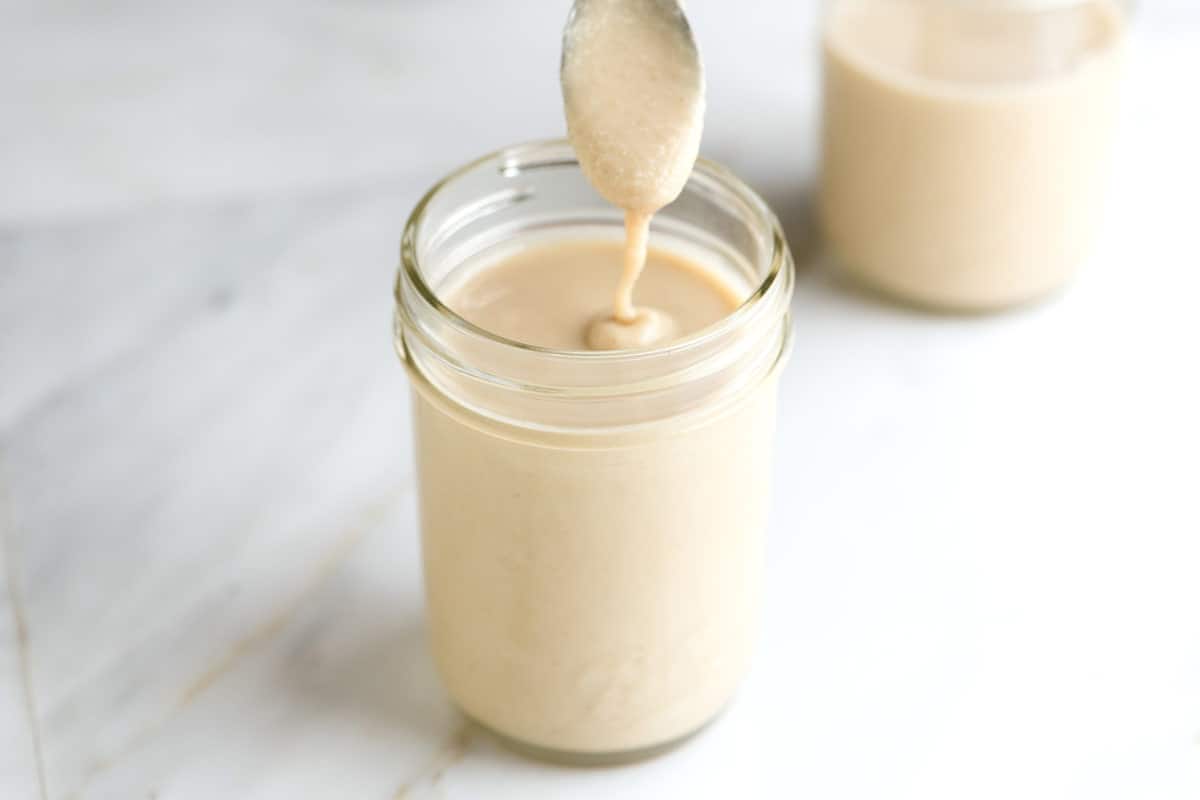
Transforming simple sesame seeds into a luscious, pourable condiment is one of the most satisfying kitchen achievements. This easy feat, creating homemade tahini sesame paste, not only saves you money but also opens a world of culinary customization. Often considered the Middle Eastern equivalent of peanut butter in its versatility, tahini is a naturally nut-free, deliciously nutty hero, perfect for countless sweet and savory dishes. But did you know that not all tahini is created equal? The type of sesame seed you choose dramatically impacts the flavor, texture, and color of your final paste. Let's dive into the fascinating world of hulled, unhulled, and black sesame tahini and discover which one best suits your culinary needs.
The Timeless Appeal of Homemade Tahini Sesame Paste
Tahini's history stretches back thousands of years, its name derived from the Arabic word t’hina, rooted in tahan, meaning "to grind." This ancient process of slowly milling sesame seeds into a smooth paste has endured, proving the timeless value of this humble ingredient. For anyone accustomed to Middle Eastern cuisine, tahini is a fundamental staple, integral to everything from creamy hummus and smoky baba ganoush to rich dressings and even unexpected desserts like cookies and coffee infusions.
Choosing to make your homemade tahini from scratch offers undeniable advantages. First and foremost, it’s significantly more budget-friendly than its store-bought counterparts. The primary ingredient—sesame seeds—is relatively inexpensive, and with just a high-speed blender or food processor, you can churn out a fresh batch in minutes. Beyond the cost savings, homemade tahini provides unparalleled customization. You control the texture, the depth of flavor (through toasting), and most importantly, the type of sesame seed used, allowing you to tailor your tahini precisely to your culinary vision.
Decoding Sesame Seeds: Your Foundation for Flavor
At its heart, tahini is a single-ingredient wonder: sesame seeds. This simplicity means that the inherent qualities of the seeds themselves profoundly influence the finished product. From their color and aroma to their flavor profile and nutritional content, the type of sesame seed dictates the character of your homemade tahini sesame paste. Understanding these differences is key to crafting the perfect paste for any application.
Hulled Sesame Seeds: The Classic Choice for Smoothness
When you picture "tahini," the creamy, light-colored paste often found in hummus or salad dressings, you're likely thinking of tahini made from hulled sesame seeds. These seeds have undergone a process to remove their outer bran layer, or hull. This removal results in several distinct characteristics:
- Color and Flavor: Hulled seeds yield a much lighter-colored tahini, typically a pale beige or off-white. The flavor is mild, buttery, and subtly nutty, without any bitterness.
- Texture: Due to the absence of the hull, tahini from hulled seeds is exceptionally smooth, thin, and pourable, making it ideal for emulsifying into dressings and sauces.
- Nutritional Profile: While still nutritious, hulled sesame seeds have a slightly lower fiber and mineral content compared to their unhulled counterparts, as many of these nutrients reside in the hull.
- Best Uses: This variety is your go-to for classic Middle Eastern dishes like hummus, baba ganoush, and light salad dressings where you want creaminess and a delicate sesame flavor without overwhelming the other ingredients. It's also excellent for milder sauces, dips, and even some baked goods where a neutral base is desired.
If you're aiming for a silky, gentle tahini that serves as a creamy backdrop rather than a dominant flavor, hulled sesame seeds are undoubtedly your best bet.
Unhulled (Whole) Sesame Seeds: Earthy Depth and Nutritional Power
For those seeking a more robust flavor and a nutritional boost, tahini made from unhulled, or whole, sesame seeds is an excellent choice. These seeds retain their entire bran layer, which significantly impacts the paste's characteristics:
- Color and Flavor: Unhulled sesame seeds produce a darker tahini, ranging from a deep beige to a light brown. The flavor is far more assertive, with a pronounced earthy, nutty profile and a pleasant, sometimes slightly bitter edge. Think of it as a more "full-bodied" sesame experience.
- Texture: Because of the intact hull, unhulled tahini is typically thicker and denser, often resembling the consistency of natural peanut butter. It can be slightly grittier due to the fibrous bran, though still smooth overall.
- Nutritional Profile: This is where unhulled seeds truly shine. The hull is rich in fiber, calcium, iron, and other essential minerals, making whole sesame tahini a nutritional powerhouse.
- Best Uses: The deeper flavor and thicker consistency of unhulled tahini make it perfect for savory applications where you want a more prominent sesame presence. It's fantastic in hearty dressings for roasted vegetables, marinades, rich sauces, and even as a spread on its own for those who appreciate its intense character.
If you desire a tahini with more personality, a deeper nutritional punch, and a texture that stands up to bolder ingredients, reach for unhulled sesame seeds.
Black Sesame Seeds: A Bold Statement in Color and Taste
Beyond the spectrum of white sesame seeds lies a visually striking and uniquely flavored variety: black sesame seeds. Making tahini from these tiny, jet-black gems creates a truly distinctive paste that impresses both the eyes and the palate:
- Color and Flavor: Black sesame tahini is dramatically dark, typically a deep charcoal gray to almost black. Its flavor is intensely rich, deeply nutty, and distinctly toasted, with a soft, underlying bitterness that is more complex than that found in unhulled white sesame. The toasted notes often come to the forefront, creating a truly unique profile.
- Texture: Similar to hulled tahini, black sesame paste tends to be quite smooth, though its richness can make it slightly thicker.
- Nutritional Profile: Black sesame seeds are known for their high antioxidant content, in addition to being rich in calcium, iron, and magnesium.
- Best Uses: Black sesame tahini is a star in its own right, particularly in desserts and modern culinary creations. It brings a stunning visual contrast and a sophisticated flavor to smoothie bowls, ice creams, baked goods (like cookies and cakes), and even unique finishing sauces for savory dishes where you want a dramatic flair and an intriguing taste. Its flavor pairs exceptionally well with chocolate, matcha, and fruits.
For adventurous cooks and those looking to add a gourmet touch and striking aesthetics to their dishes, black sesame tahini offers an exciting and delicious avenue.
Beyond the Basics: Making Your Homemade Tahini Sesame Paste
Regardless of the sesame seed variety you choose, the fundamental process for making homemade tahini from scratch remains incredibly simple. Most recipes call for just two ingredients: sesame seeds and a neutral oil (though purists sometimes insist on just seeds, allowing their natural oils to release). The key steps are straightforward:
- Toasting (Optional, but Recommended): Lightly toasting your sesame seeds in a dry skillet over low heat for about 5-10 minutes is a game-changer. This process enhances their nutty flavor and helps them release their natural oils more readily, resulting in a richer, smoother paste. Watch carefully, shaking the pan frequently, until they are lightly golden and fragrant – don't let them burn!
- Grinding: Once cooled slightly, transfer the toasted seeds to a high-speed blender or food processor. Begin processing. Initially, the seeds will form a coarse meal, then a crumbly paste.
- Adding Oil: If needed (and for most home blenders, it will be), gradually drizzle in a neutral-flavored oil like light olive oil, grapeseed oil, or even a very mild sesame oil, a tablespoon at a time, until the paste transforms into a smooth, pourable consistency. Patience is key here; it might take several minutes of processing and scraping down the sides.
The beauty of making your own homemade tahini sesame paste lies in this control. You dictate the creaminess, the toast level, and ultimately, the flavor profile that best suits your palate and cooking needs.
Tips for Perfecting Your Homemade Tahini
To ensure your homemade tahini is consistently excellent, keep these practical tips in mind:
- Even Toasting is Crucial: Never walk away from your sesame seeds while toasting. They can go from perfectly golden to burnt in seconds. Use a wide, dry skillet and keep them moving. Burnt seeds will impart an unpleasant bitter taste to your tahini.
- Invest in Good Equipment: A powerful food processor or high-speed blender is essential for achieving that ultra-smooth, creamy texture. Less powerful machines might struggle to break down the seeds sufficiently, especially unhulled varieties.
- Patience During Blending: The transition from seeds to paste can take anywhere from 5 to 15 minutes, depending on your machine. Don't be discouraged if it seems to take a while. Keep processing, scraping down the sides as needed. The warmth from the friction helps release the oils.
- Oil Quantity: Start with minimal oil (1-2 tablespoons per cup of seeds for a first batch) and add more very gradually, only if necessary, until you reach your desired consistency. Some seeds are naturally oilier than others.
- Storage Smarts: Store your homemade tahini in an airtight container in the pantry at room temperature for up to a month, or in the refrigerator for several months. If it separates over time (which is natural), simply give it a good stir before use.
Conclusion
Embarking on your journey to create the perfect homemade tahini sesame paste is a rewarding culinary adventure. Whether you opt for the classic mildness of hulled seeds, the earthy depth and nutrition of unhulled varieties, or the dramatic flair of black sesame paste, each choice unlocks a unique world of flavor and texture. With just a few simple steps, you can craft a customizable, budget-friendly, and incredibly versatile ingredient that will elevate everything from your everyday hummus to gourmet desserts. So, choose your sesame seeds, fire up your food processor, and savor the rich, nutty delight of freshly made tahini!
