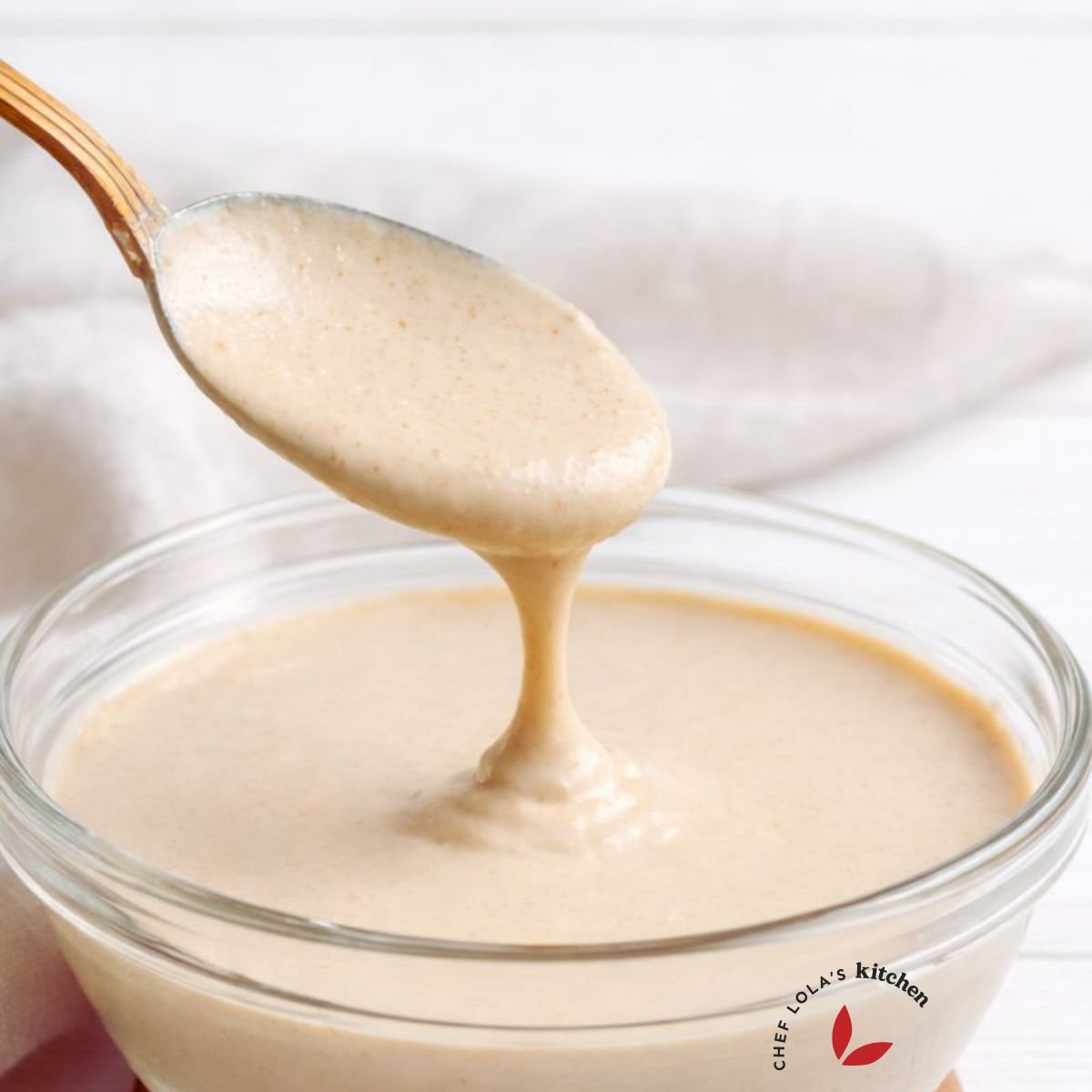
Unlock Culinary Versatility: Master Homemade Tahini From Scratch
Imagine a creamy, nutty, yet naturally nut-free paste that can transform a simple salad, elevate a humble roasted vegetable, or even add a surprising depth to your dessert. We're talking about tahini – a staple in Middle Eastern kitchens for thousands of years, and a true unsung hero in the pantry. While store-bought options are readily available, learning to make homemade tahini sesame paste from scratch is not only incredibly easy and more budget-friendly, but it also opens up a world of customization and fresh flavor you simply can't achieve otherwise.
Often dubbed the Middle Eastern answer to homemade peanut butter, tahini boasts similar versatility, seamlessly crossing the boundaries between sweet and savory applications. From the foundational creaminess in hummus and baba ganoush to the unexpected twist in cookies or even coffee, this luscious sesame seed paste (sometimes referred to as raw tahini) is a skill every aspiring home chef should master. With just one or two simple ingredients, you're on your way to creating a condiment that is among the most all-purpose kitchen heroes imaginable.
Why Opt for Homemade Tahini Sesame Paste? Beyond the Budget
The decision to make your own homemade tahini sesame paste goes far beyond just saving a few dollars, though that's certainly a compelling benefit. Pound for pound, buying sesame seeds and blending them yourself is significantly more economical than purchasing pre-made tahini, especially for a high-quality product. But the advantages extend much further:
- Unparalleled Freshness: Like grinding your own coffee beans or churning your own butter, making tahini from scratch ensures you're getting the freshest possible product. This translates to a brighter, more vibrant flavor and aroma that pre-packaged versions often lack due to storage time.
- Complete Customization: This is where homemade truly shines. You have absolute control over the texture, from a thin, pourable drizzle to a thick, spoonable spread. More importantly, you dictate the type of sesame seeds used, which profoundly impacts the final flavor, color, and nutritional profile. Whether you prefer a mild, delicate paste or a robust, earthy one, you can tailor it precisely to your culinary needs.
- Purity of Ingredients: When you make tahini at home, you know exactly what goes into it: sesame seeds (and perhaps a touch of oil). There are no emulsifiers, stabilizers, or preservatives often found in commercial brands. This makes it an ideal choice for those with dietary restrictions or simply seeking cleaner eating.
- The Joy of Creation: There's a deep satisfaction that comes from transforming basic ingredients into something extraordinary. The process of making tahini is incredibly rewarding, offering a tangible connection to the food you consume.
The Heart of Tahini: Choosing Your Sesame Seeds
The single most influential factor in your homemade tahini sesame paste will be the type of sesame seeds you choose. Much like different varieties of olives or cocoa beans yield distinct oils and chocolates, various sesame seeds offer unique flavor profiles, colors, and textures. Understanding these differences allows you to craft the perfect tahini for any dish.
For a deeper dive into selecting the right seeds for your culinary adventure, explore our guide on Choose Your Tahini: Hulled, Unhulled, & Black Sesame Paste.
Hulled Sesame Seeds: The Classic Choice
These are the most common type of sesame seeds you'll find, characterized by their light, creamy color. The outer hull has been removed, resulting in a milder flavor and smoother texture. Hulled tahini is:
- Color & Flavor: Light, often pale beige, with a delicate, subtly nutty flavor. It's less bitter than unhulled varieties.
- Texture: Produces a very smooth, thin, and pourable paste, making it ideal for creating creamy sauces and dressings without overwhelming other ingredients.
- Best Uses: The quintessential choice for classic hummus, light salad dressings, creamy dips, and sauces where you want a neutral base that provides richness and body without assertive flavor.
Whole (Unhulled) Sesame Seeds: Earthy & Nutritious
Whole sesame seeds retain their outer bran layer, which is where much of their fiber, calcium, and other nutrients reside. This makes whole sesame tahini a more robust and health-packed option.
- Color & Flavor: Darker in color, ranging from light brown to a deeper tan, with a more pronounced, earthy, and slightly bitter flavor. This bitterness is often considered a desirable characteristic, adding complexity.
- Texture: Tends to yield a thicker, denser paste, often with a texture reminiscent of natural peanut butter.
- Best Uses: Shines in savory dishes where its assertive flavor can stand out, such as robust roasted vegetable sauces, marinades, rich dressings, and any application where you desire a deeper, more pronounced sesame note.
Black Sesame Seeds: Bold & Visually Stunning
For a truly dramatic and uniquely flavored tahini, black sesame seeds are an excellent choice. Their striking color and distinct taste make for a memorable paste, often called black sesame tahini.
- Color & Flavor: Transforms into a dark gray to charcoal-colored paste, offering a bold visual statement. The flavor is rich, deeply toasted, and intensely earthy, with a softer bitterness than unhulled white seeds.
- Texture: Typically yields a very smooth, slightly thicker paste, similar to hulled tahini but with a more intense flavor.
- Best Uses: Perfect for desserts where visual contrast and nuanced flavor are prized. Think black sesame ice cream, smoothies, baked goods like cookies and cakes, or as a sophisticated finishing sauce for unique savory dishes.
Simple Steps to Perfect Homemade Tahini Sesame Paste
Creating your own homemade tahini sesame paste is remarkably straightforward, requiring minimal equipment and just a touch of patience. The core process involves dry-toasting your seeds, then blending them until their natural oils release and form a smooth paste. For a comprehensive step-by-step guide, be sure to check out our detailed recipe: Master Homemade Tahini: Easy Recipe for Creamy Sesame Paste.
The Art of Toasting
While some recipes suggest using raw seeds, a light toast is highly recommended as it deepens the flavor and enhances the nuttiness of the sesame. This crucial step takes your tahini from merely good to truly exceptional.
- Preparation: Spread your chosen sesame seeds in a single layer on a dry skillet over low to medium-low heat.
- Toasting: Stir or shake the pan frequently and constantly to ensure even toasting and prevent burning. You're looking for a slightly golden color and a fragrant, nutty aroma – this usually takes about 5-10 minutes. Crucially, do not over-toast! Burnt sesame seeds will yield bitter tahini. Remove them from the heat immediately once they're fragrant and lightly colored.
- Cooling: Transfer the toasted seeds to a plate or baking sheet to cool completely. Warm seeds can cause your food processor to overheat.
Blending to Silky Smoothness
Once cooled, your sesame seeds are ready for their transformation into a creamy paste.
- Initial Grind: Place the cooled sesame seeds into the bowl of a high-powered food processor. Process for several minutes. Initially, they will form a coarse meal, then a crumbly paste. Be patient and scrape down the sides of the bowl frequently.
- Oil Release: As you continue to process, the natural oils within the sesame seeds will begin to release. The paste will transform from thick and crumbly to a smoother, thicker butter-like consistency.
- Adding Oil (Optional but Recommended): For a truly silky smooth and pourable tahini, you'll likely need to add a small amount of neutral oil. Start with 1-2 tablespoons of a light-tasting oil like grapeseed, sunflower, or a mild olive oil. The choice of oil can slightly impact the flavor, so choose one that complements your desired tahini type. Add it gradually, processing until the tahini reaches your desired consistency. For an extra rich, assertive flavor, a good quality extra virgin olive oil can be used, but be aware it will impart its own distinct notes.
- Final Consistency: Continue processing for 5-10 minutes (or longer) until the tahini is completely smooth, pourable, and free of any gritty texture. The longer you process, the smoother and thinner it will become.
Pro Tip: A high-quality food processor is key to achieving that velvety texture. If yours struggles, take short breaks to prevent overheating and allow the motor to rest.
Unleashing the Versatility of Your Homemade Tahini
With your fresh batch of homemade tahini sesame paste ready, the culinary possibilities are truly endless. Its distinct flavor profile, combining nutty richness with a hint of earthiness (and sometimes pleasant bitterness), makes it incredibly adaptable.
Savory Delights:
- Dips & Spreads: The foundation of classic hummus and rich baba ganoush. Also excellent mixed with lemon juice, garlic, and water for a simple, irresistible dipping sauce for falafel, grilled meats, or roasted vegetables.
- Dressings & Sauces: Whisk with lemon juice, water, garlic, and herbs for a creamy, dairy-free salad dressing. Drizzle over buddha bowls, roasted sweet potatoes, or grilled eggplant. It can also form the base of marinades for chicken or fish.
- Soup & Stew Enhancer: Stir a spoonful into lentil soup or a hearty stew for added creaminess and depth.
Sweet Surprises:
- Baked Goods: Incorporate into cookies, brownies, cakes, or even quick breads for a unique nutty flavor and moist texture. It pairs wonderfully with chocolate!
- Breakfast Boost: Drizzle over oatmeal, yogurt, toast, or pancakes. Mix into smoothies for a dose of healthy fats and a creamy texture.
- Halva Alternative: Mix tahini with a sweetener like honey or maple syrup and a pinch of salt for a quick, spreadable halva-like treat.
- Creative Combos: Try it in unexpected places like a savory-sweet granola, or even blended into a rich coffee drink for an exotic twist.
Store your fresh homemade tahini sesame paste in an airtight container in the refrigerator for up to several weeks. Like natural nut butters, it may separate over time; simply give it a good stir before use.
Conclusion: Your Kitchen, Elevated by Homemade Tahini
Making homemade tahini sesame paste is more than just a recipe; it's an invitation to explore a world of flavor, control, and culinary creativity. From its ancient roots to its modern applications, tahini proves itself as an indispensable ingredient. By embracing the simple process of blending sesame seeds, you gain not only a more budget-friendly and customizable product but also a deeper appreciation for this versatile, delicious paste. So grab your sesame seeds, fire up your food processor, and prepare to elevate countless dishes with your very own, freshly made tahini.
